
How to Choose a Contractor: 5 Things We’ve Learned From Working with Contractors

We’ve worked alongside a lot of contractors over the years.
Different company sizes, different communication styles, different ways of estimating and managing projects—and, naturally, very different ways of handling the inevitable hiccups that come with construction.
And after seeing projects that run incredibly smoothly (and some that have been a little bumpier), we’ve realized something:
A successful remodel isn’t one where nothing goes wrong. It’s one where the team knows how to handle it when something does.
There are plenty of things to consider when choosing a contractor, but these are some of the biggest lessons we’ve learned from being on the inside of the process.
1. Communication Matters More Than Perfection
Construction involves hundreds of decisions, multiple trades, long lead times and plenty of things that can't be predicted until walls start opening up.
Something will go wrong.
What matters is what happens next.
The contractors we love working with communicate issues quickly, bring possible solutions to the table and make it clear who needs to make the next decision.
One of the best tools we’ve seen for keeping that communication moving is incredibly simple: a standing weekly project meeting.
Ideally, the contractor, client and designer are all involved. It creates a dedicated time to review progress, answer questions, discuss upcoming decisions and identify anything that could potentially delay the schedule.
Because construction is basically one very long line of dominoes. If the electrician is waiting on a lighting decision, which holds up drywall, which holds up paint...one unanswered question can suddenly affect several weeks of work.
Regular communication keeps small things small.
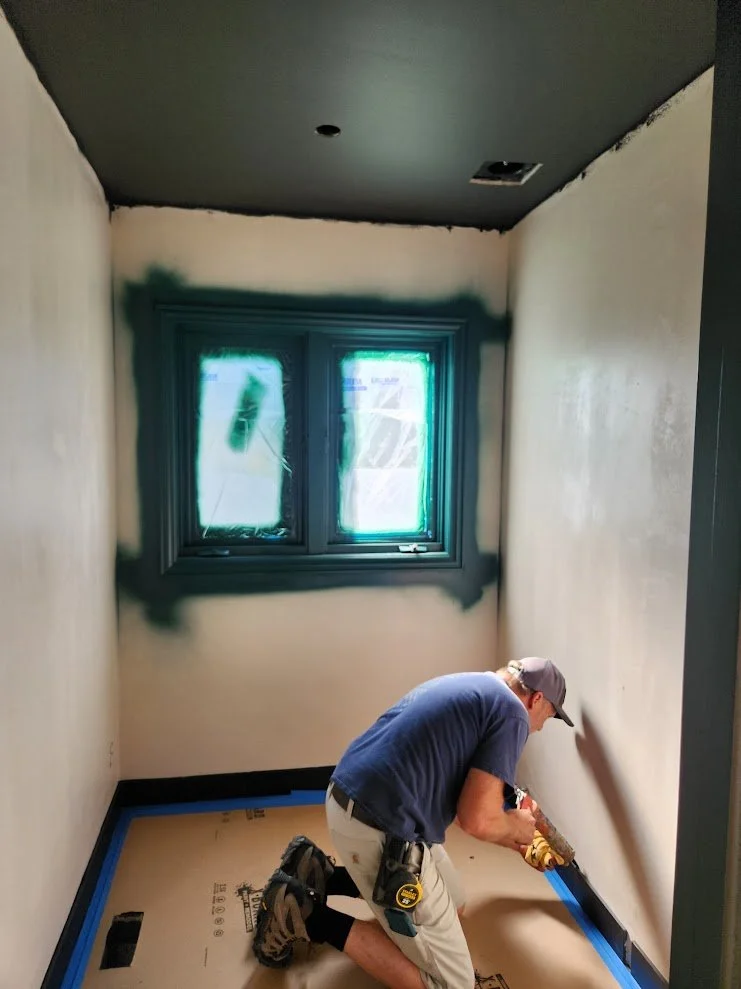
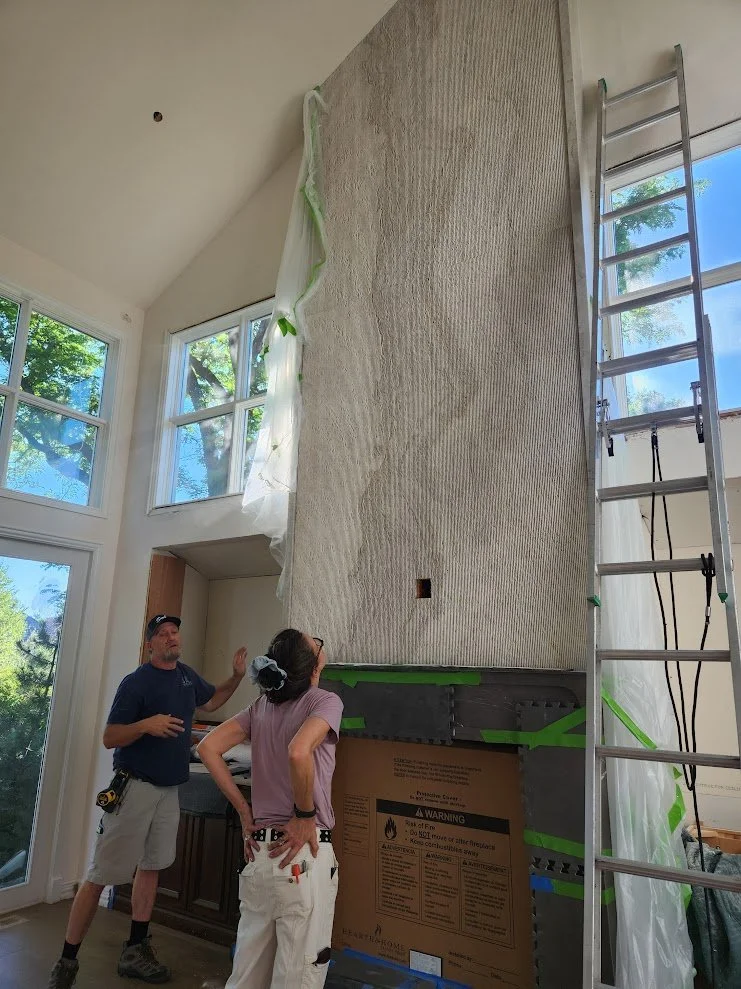
2. Know Exactly Who is Responsible for Purchasing What
Before construction begins, everyone should understand who is responsible for purchasing each item going into the project.
Who is ordering the plumbing fixtures?
Who is purchasing tile?
What about decorative lighting? Cabinet hardware? Appliances? Door hardware?
Depending on the project, some of those items may be purchased by the contractor, some by the designer and occasionally some by the homeowner.
There isn't necessarily one right way to divide it up.
The important thing is that everyone knows who owns what.
When those responsibilities aren't clearly established, it's surprisingly easy for everyone to assume someone else has taken care of something, until an installer arrives and the material isn't there.
Getting clear about purchasing responsibilities early also gives the team a better way to track lead times and make sure materials arrive when they're actually needed.
3. Your Construction Budget Needs to Evolve with Your Design
We are huge proponents of establishing a preliminary construction budget early in the design process. In fact, whenever possible, we like bringing a contractor into the conversation before every design detail has been finalized.
It gives everyone an early reality check: Does the general scope we're discussing align with what the client is comfortable investing?
But a preliminary budget is just that—preliminary.
As the design develops, the project develops with it.
Maybe we decide to carry tile across an entire wall instead of stopping at the backsplash. Maybe cabinetry gets more detailed. Maybe we add lighting, move plumbing or select a material that requires more complicated installation.
Those decisions may absolutely be worth making. But the budget needs to evolve alongside them.
One of the hardest situations for a homeowner is believing they're working toward one number throughout the design process, only to discover much later that the project they're actually planning is significantly more expensive.
That's why we’re big fans of ongoing conversations between the design, construction scope and budget—not three separate conversations happening in three separate rooms.
Good information allows clients to make good decisions.
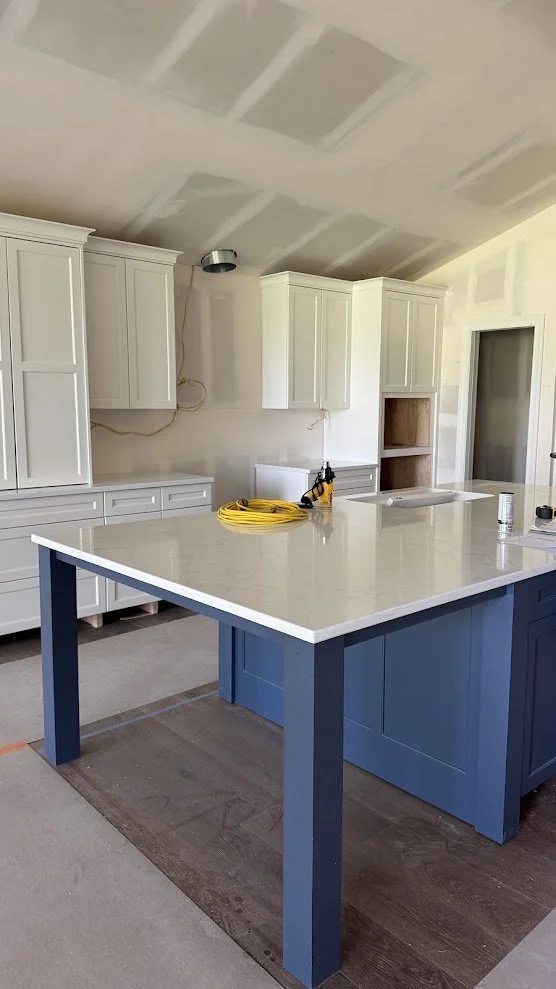
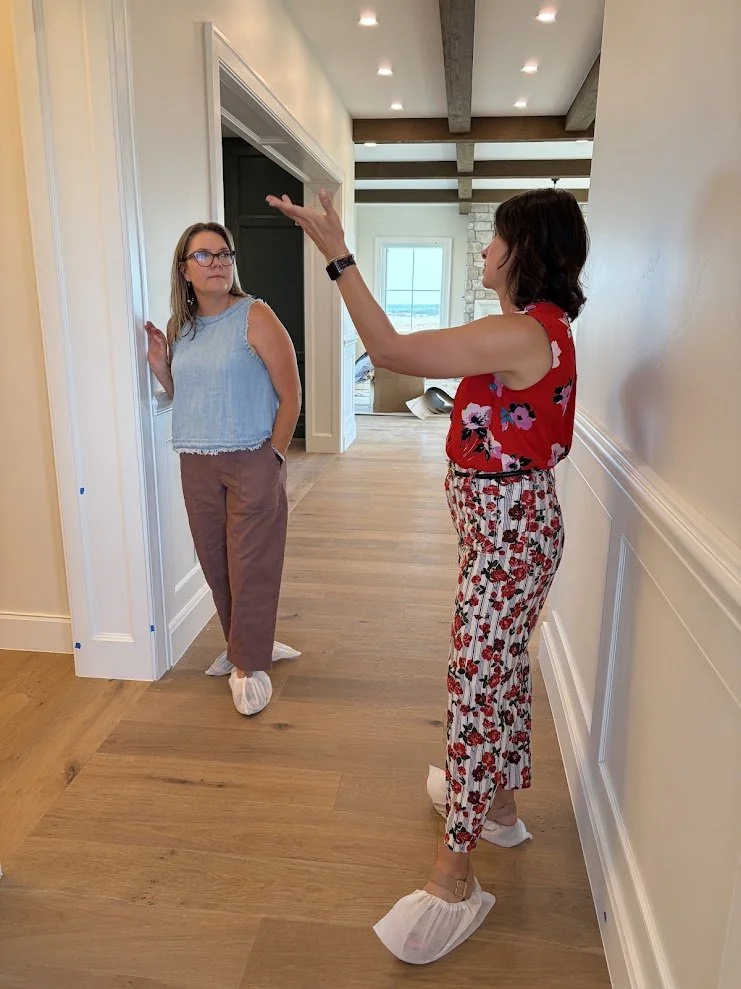
4. Don’t Just Ask For References. Ask References Better Questions
Calling past clients is one of the best ways to understand what it will actually be like to work with a contractor.
But don't stop at:
Were you happy with them?
Most references provided by a company are probably going to say yes.
Instead, ask questions that help you understand how the company operates.
Did your project finish reasonably close to the anticipated timeline?
Did the final cost align with what you expected?
Were there a lot of change orders? If so, did you understand why?
Was the jobsite generally clean and organized?
Did you have the same point of contact throughout construction?
How frequently did you hear from the contractor?
When something went wrong, how did they handle it?
Was there anything you wish you'd known before starting?
And our favorite:
Would you hire them again?
You're not necessarily looking for someone to tell you their remodel was flawless. In fact, we'd be a little suspicious if they did.
You're trying to understand how the contractor handled the imperfect parts.
5. Pay Attention to How They Finish The Project
There’s a funny thing that happens toward the end of construction.
The house can look almost finished while there are still approximately 4,782 tiny things left to do.
Welcome to the punch list.
There might be paint touch-ups, cabinet adjustments, a missing piece of hardware, an outlet that needs to be swapped, a plumbing fixture that needs adjusting or a hundred other small details.
This phase matters more than you might think.
A good contractor takes ownership of the punch list, tracks what's outstanding and communicates with the client about when each item will be completed.
When that doesn't happen, the final few items can linger for weeks—or even months.
And after investing so much time, money and energy into a renovation, nobody wants the last memory of the project to be wondering whether someone is ever coming back to fix that cabinet door.
How a contractor closes out a project can tell you just as much about their company as how they start one.
So, How Do You Choose The Right Contractor?
There isn’t one contractor who’s right for every project.
Some companies are fantastic at smaller renovations. Others have the infrastructure to manage large-scale remodels or custom homes. Some clients want constant communication; others are perfectly happy with a weekly update.
But regardless of the project, we'd look for the same underlying qualities:
Clear communication. Clear responsibilities. Transparency around cost. Accountability when something goes wrong. And a team that follows through all the way to the finish line.
We also believe strongly that your contractor and designer should be able to work collaboratively.
Your designer is thinking about how the home should function, feel and come together. Your contractor is thinking about how to actually build it. When those conversations happen early—and continue throughout construction—the client gets the benefit of both perspectives.
Because a successful remodel doesn't require everything to go perfectly.
It requires the right team to handle the imperfect parts well.
If you're considering a remodel and aren't sure when to bring a designer or contractor into the process, reach out. We’re always happy to help you understand what building the right team can look like before construction begins.
Thinking about a remodel? Download our free remodel guide here!
