
Why We Don’t Rush The Design Phase
We live in a world where everyone wants things faster. Faster shipping. Faster replies. Faster renovations.
But good design? It doesn’t really work like that.
Every remodel or custom build has a thousand tiny decisions hiding beneath the surface. And while it can be tempting to “figure things out later,” those rushed decisions are usually what create the stress, delays, and budget surprises people are trying to avoid in the first place.
The design phase is where we slow things down on purpose so construction can move more smoothly later.
Because once walls are open and trades are on site, every unanswered question suddenly becomes expensive and adds to the project schedule.
Design Isn’t Just Picking Pretty Things
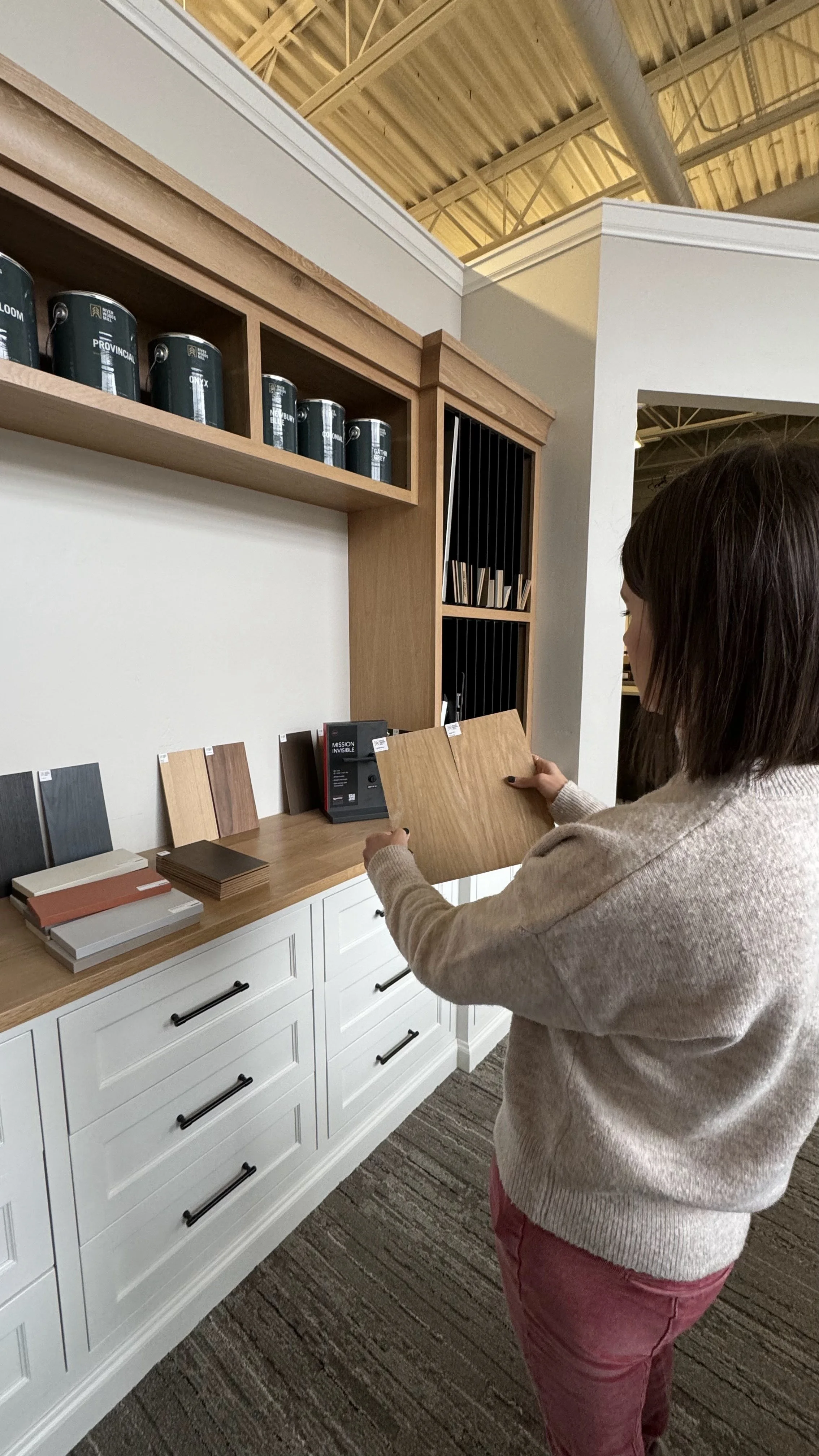
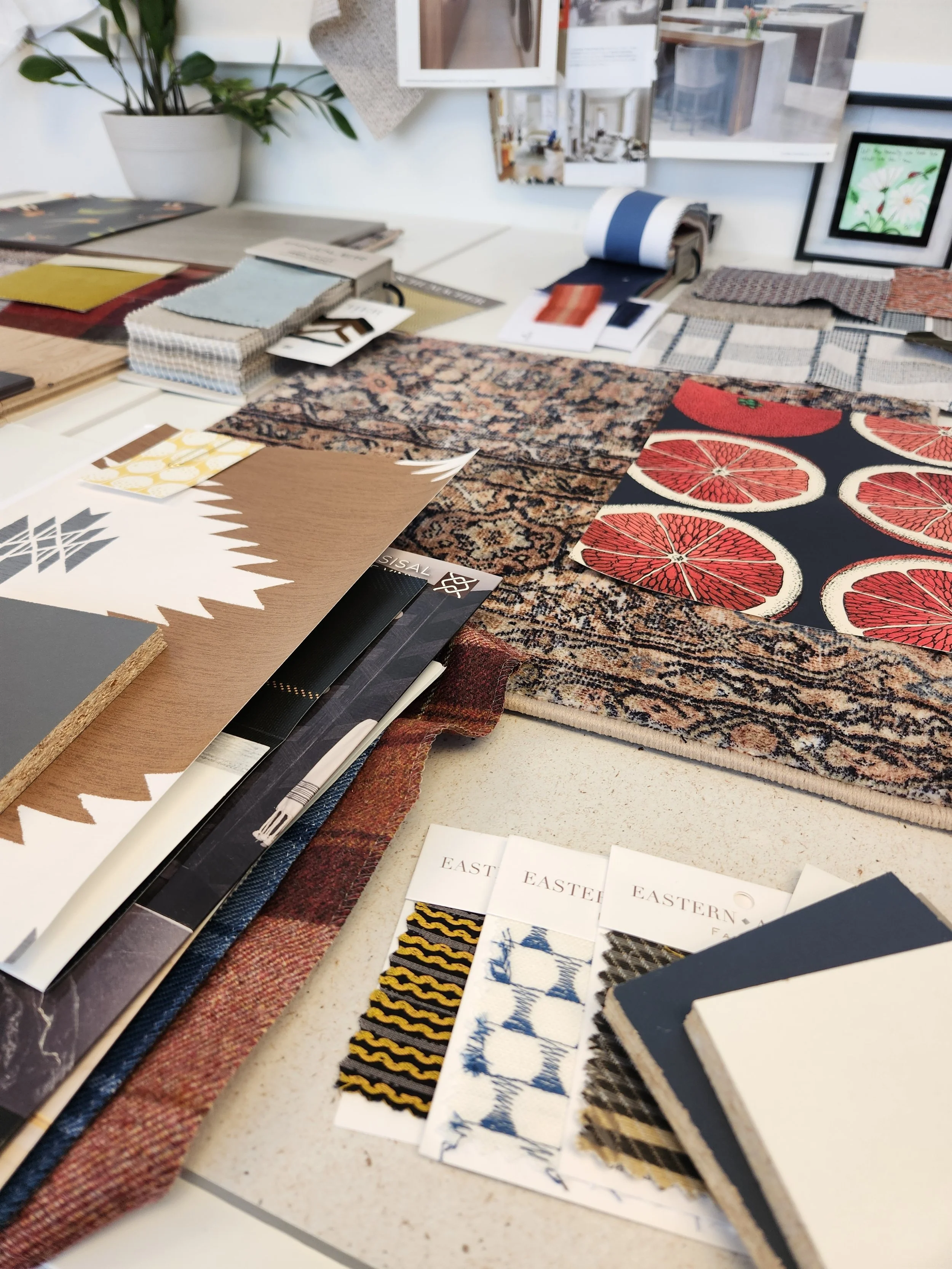
A lot of people imagine the design phase as selecting tile, paint colors, and plumbing fixtures. And yes, that’s part of it. But the real value comes from thinking through how everything works together before construction begins.
We’re considering things like:
Where the tile should start and stop
How cabinet details align with lighting and plumbing
Whether a shower niche lands centered with grout lines
How appliances and cabinetry interact
Ceiling transitions and beam details
Electrical locations
Furniture scale and circulation
Storage functionality
How the home will actually feel to live in every day
These aren’t glamorous decisions, but they’re the details that separate a project that feels thoughtful from one that constantly runs into field changes and “wait…what was the plan here?” moments.
Why Documentation Matters So Much
One of the biggest things we prioritize during design is documentation.
The more clearly something is communicated upfront, the fewer assumptions need to happen during construction. And assumptions are usually where mistakes sneak in.
Our drawing sets are intentionally detailed because we want contractors and trades to have as much clarity as possible before work begins. We spend a lot of time thinking through elevations, finish schedules, tile layouts, cabinetry details, lighting locations, and transitions so the team on site isn’t left guessing later.
Could we move faster by providing fewer details? Technically, yes.
Would it create a better experience for the client? Definitely not.
When documentation is vague, the construction phase becomes full of constant questions, rushed decisions, avoidable change orders, and things being re-done in the field. That’s stressful for everyone involved.
We’d rather spend the extra time upfront carefully thinking through the project than scramble to fix preventable issues later.
The Goal Is Fewer Surprises
To be clear: every construction project will still have surprises. That’s just part of remodeling. Once you open walls, homes love to humble everyone involved.
But the goal of a thoughtful design phase is to eliminate the avoidable surprises.
Not realizing the sconces conflict with the medicine cabinet.
Not discovering the tile layout doesn’t align with the bench after it’s installed.
Not realizing the kitchen walkway is too tight once cabinetry arrives.
Not making finish decisions while someone is actively standing there waiting.
Those moments are what make projects feel chaotic.
Good planning creates confidence. It allows contractors to execute more efficiently, clients to feel less overwhelmed, and the final result to feel cohesive instead of pieced together under pressure.
We’re Not Interested in “Fast” for the Sake of Fast
We know waiting can feel hard, especially when you’re excited to get started. But rushing through design almost always shifts the stress downstream into construction.
And construction is the worst place for uncertainty.
Our job is to think ahead for you. To ask questions before they become problems. To document details clearly. To make measured decisions instead of reactive ones.
Because the projects that feel the smoothest during construction usually aren’t the ones that moved the fastest in design.
They’re the ones where the groundwork was done well first.
