
The Biggest Design Mistakes We See During Remodels

Every project, especially a remodel, comes with its fair share of surprises. No matter how well things are planned, something will inevitably shift along the way. Construction is full of moving parts, and honestly…humans.
Our goal is to avoid piling preventable mistakes on top of those surprises, because nobody wants to spend time and money going backwards once construction is underway.
Below are the things we see most often that tend to separate a smooth project from one that feels unnecessarily stressful.
Waiting Too Long to Make Decisions
We get it. There are a LOT of decisions involved in a remodel or new build. When you’re juggling work, kids, schedules, and everyday life, it’s easy to think, “we’ll figure that out later.”
The tricky part is that delaying key selections during construction usually doesn’t just slow things down. It can lead to change orders, rework, scheduling issues, and extra costs that nobody was planning for.
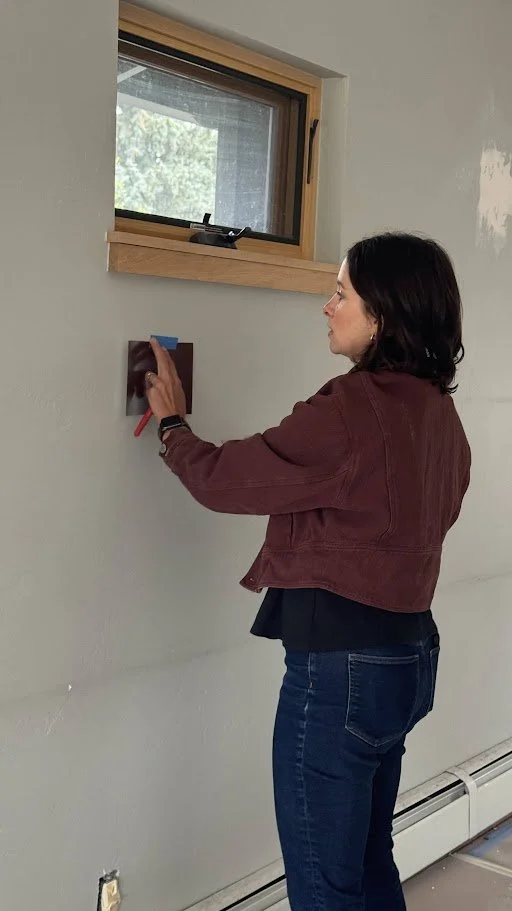
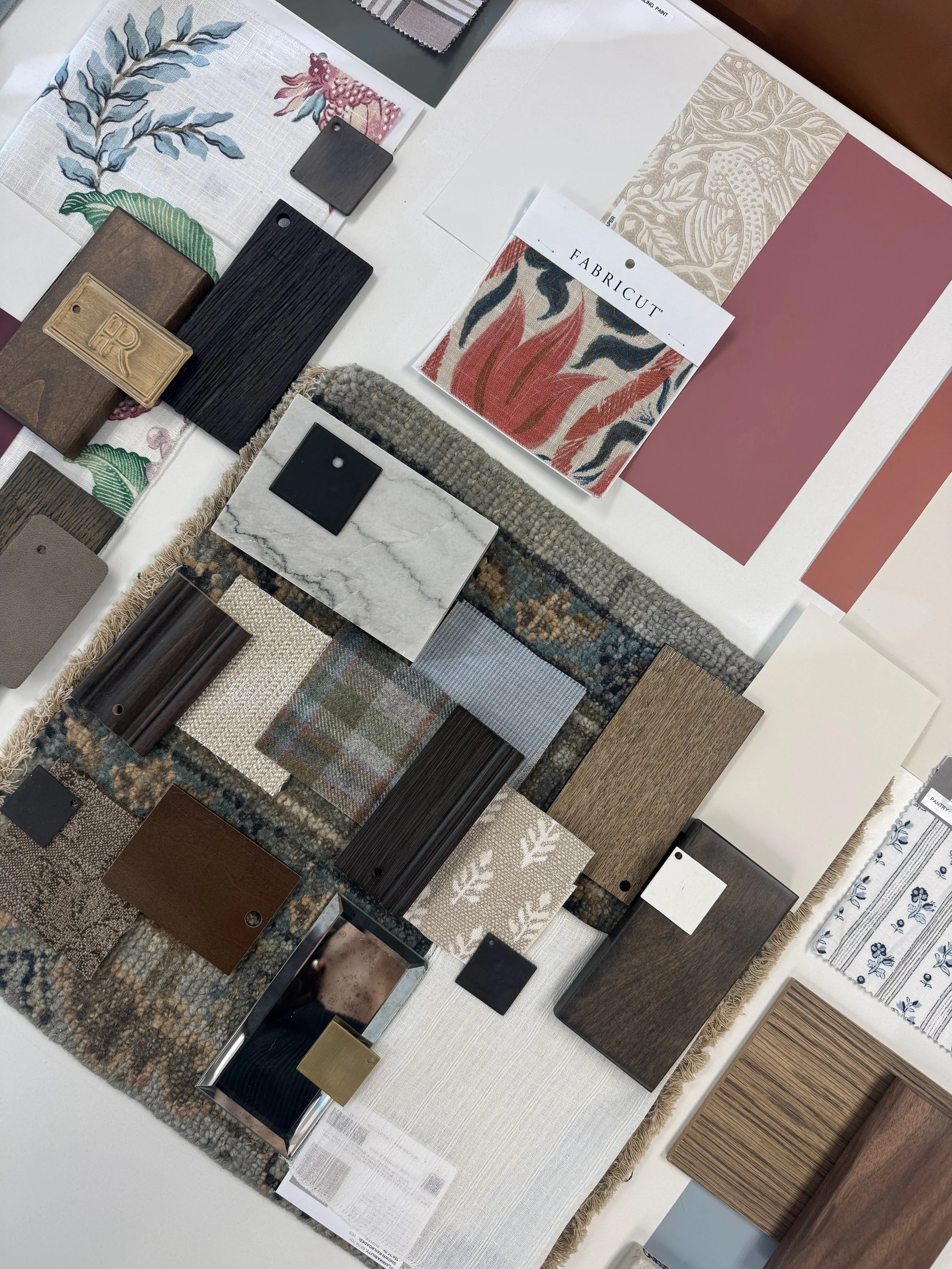
Things like tile, plumbing fixtures, lighting, and cabinetry all impact what’s happening behind the walls before the pretty stuff ever gets installed. The earlier those decisions are made, the smoother the project tends to run (and the fewer surprise invoices tend to show up).
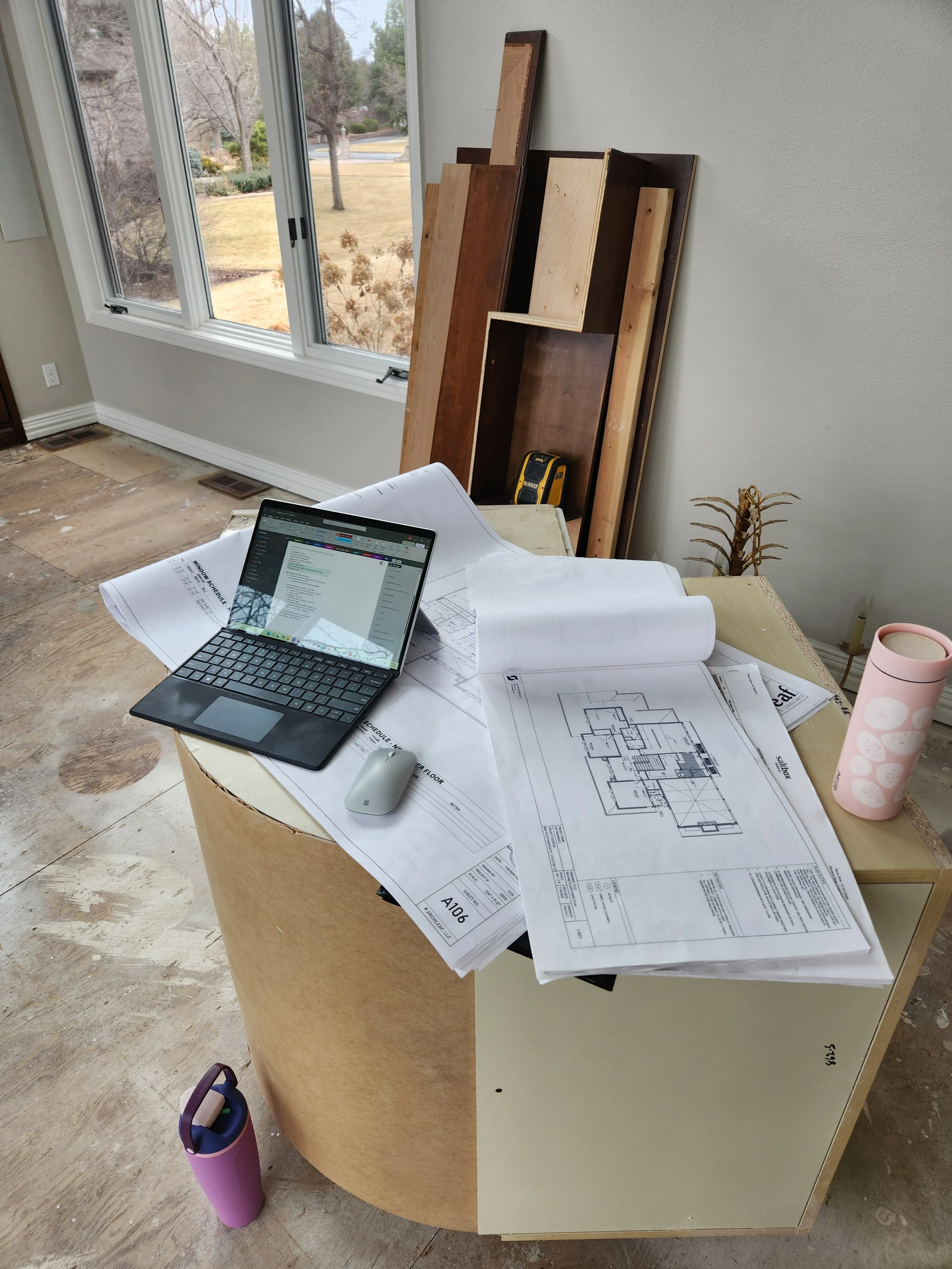
That’s why we spend so much time helping clients make thoughtful decisions upfront. Having a clearly documented plan before construction starts gives everyone a roadmap and helps avoid stressful pivots once the project is already in motion.
Focusing on Cosmetics Instead of Function
When people think about remodeling, they often jump straight to finishes.
New cabinets. New countertops. New tile. Fresh paint.
And while those things absolutely matter, they're usually not what has the biggest impact on how your home feels to live in every day.
One of the most common mistakes we see is investing in cosmetic upgrades without taking a step back to ask whether the space is actually functioning as well as it could.
Sometimes a few thoughtful layout adjustments can completely transform how a room works. Additional storage, better circulation, or reallocating square footage often creates a much bigger impact than simply replacing materials.
Mudrooms and laundry rooms are some of our favorite places to explore this.
These spaces tend to be workhorses for busy families, and many older homes don’t have functional rooms for this. By rethinking cabinetry layouts, storage solutions, drop zones, and circulation paths, we can often make daily routines significantly easier without dramatically increasing the overall project scope.
If you're already making the investment to remodel, it's worth taking the time to evaluate whether the space itself could work harder for you.
The goal isn't simply to make the room look better. It's to make your everyday life easier.
See it in action:
Brick House - we re-worked an Office, Guest Bath and Laundry space to give more functionality to the Mudroom/Laundry
The Chain - this entire floorplan was modified to update the 60’s layout to function for today’s family
Ignoring the In-Between Details
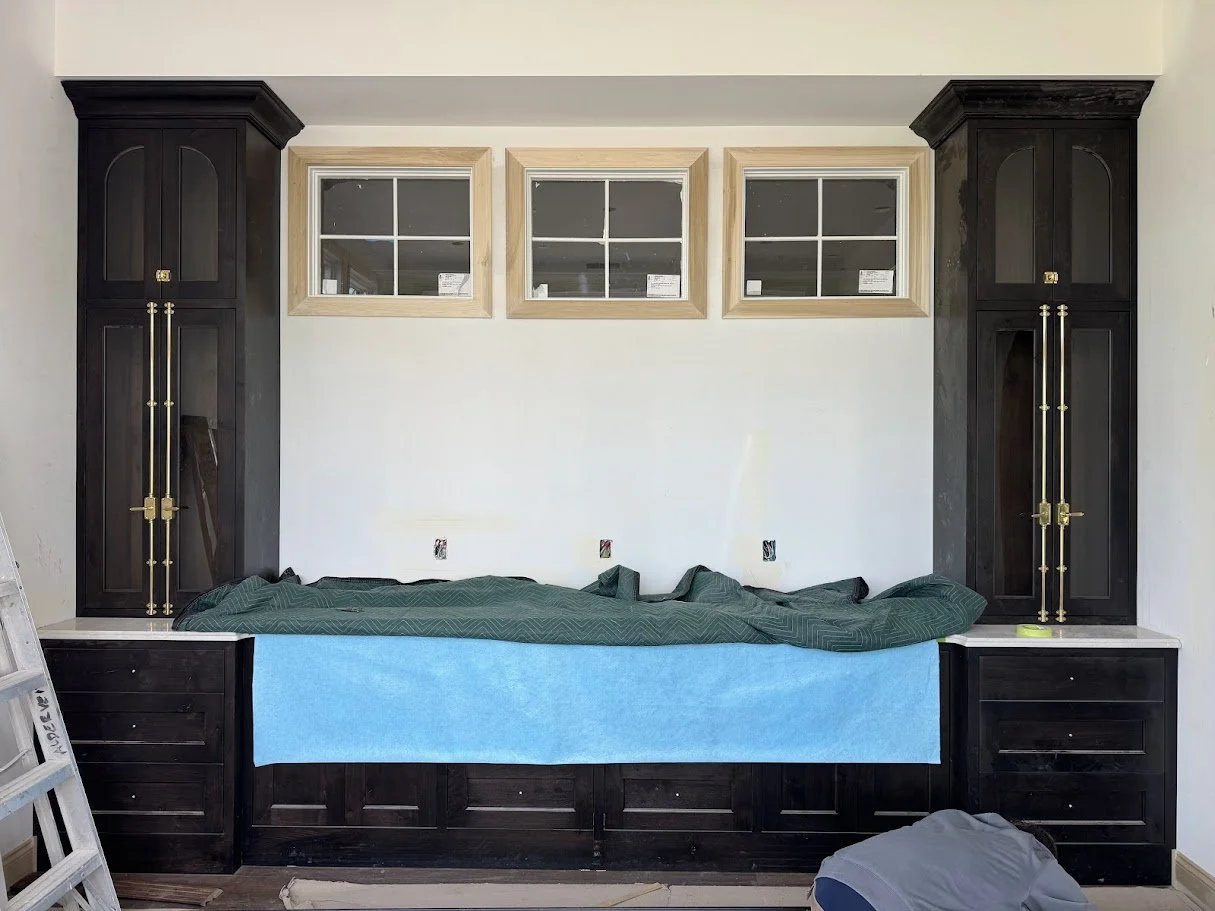
The difference between a builder-grade home and one that feels truly custom usually comes down to the little details people don’t consciously notice at first.
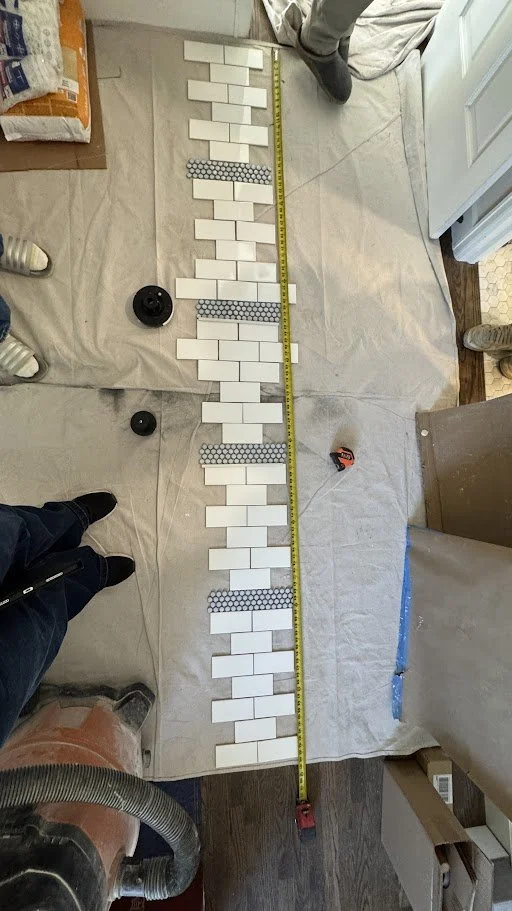
How a vaulted tongue and groove ceiling transitions into a millwork bookcase. The alignment of a shower niche within the tile layout. The way wall paneling wraps a room so it feels balanced instead of slightly “off.”
These are the kinds of details that quietly shape how a home feels.
Within every project, there are hundreds of moments where multiple finishes intersect. If those transitions aren’t thought through ahead of time, the home can start to feel disjointed pretty quickly.
A big part of our role is thinking through those in-between moments before construction happens, then working closely with the contractor to make sure everything comes together in a way that feels intentional, cohesive, and well executed.
Designing Room by Room Instead of Looking at the Whole Home
It's tempting to focus on one space at a time, especially when you're excited to get started.
The challenge is that homes aren't experienced one room at a time. They're experienced as a whole.
When decisions are made in isolation, it's easy for the house to start feeling disconnected. Finishes compete with one another, sightlines feel disjointed, and the overall flow never quite comes together.
That doesn't mean every room needs to look the same. In fact, some of our favorite projects incorporate a lot of personality and contrast from space to space.
The difference is that those decisions are made within the context of the entire home.
Before we dive into individual rooms, we're always looking at how spaces connect, how materials transition, and how the home will feel as you move through it. That big-picture thinking helps create homes that feel layered and collected rather than pieced together over time.
Underestimating Scale & Proportion
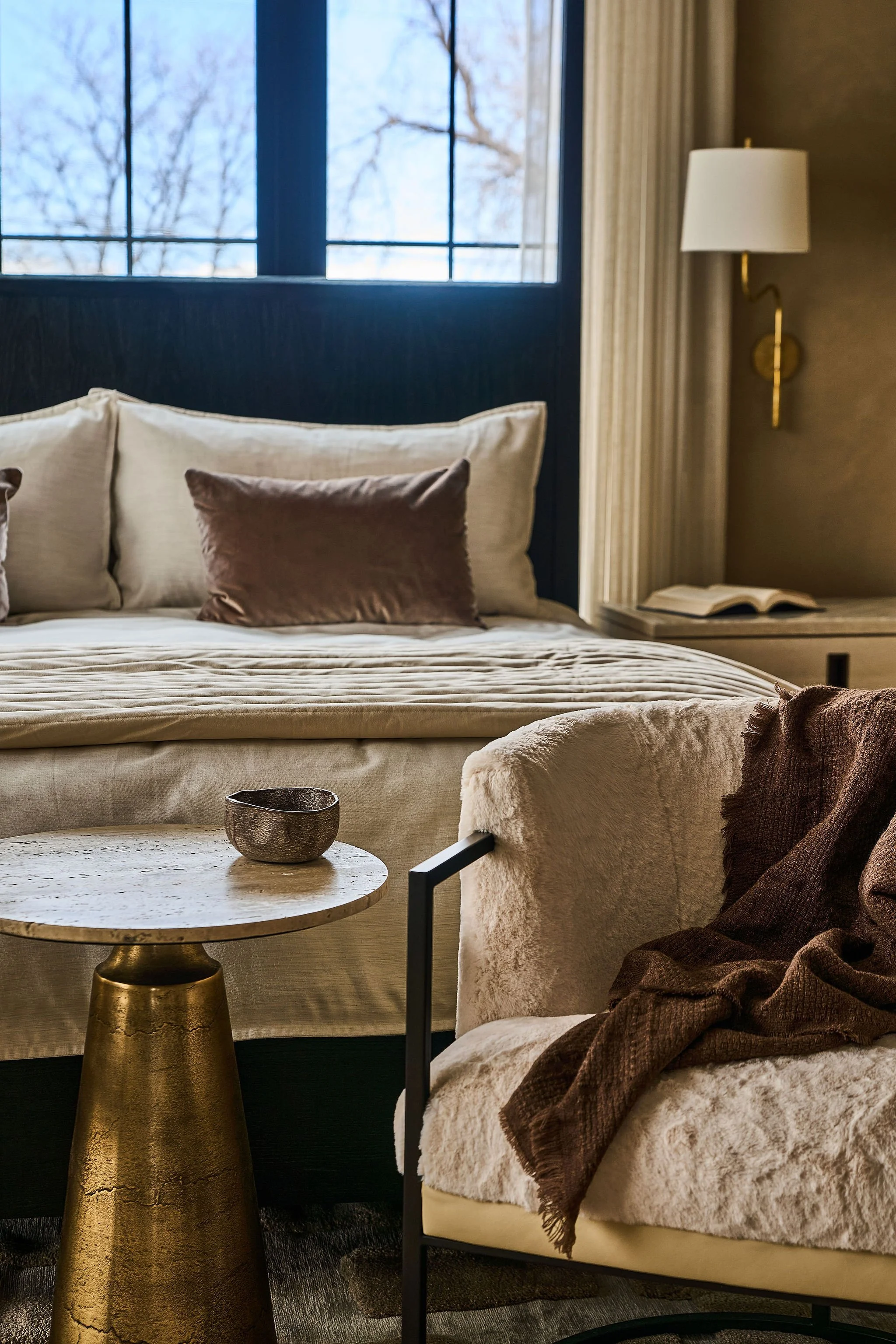
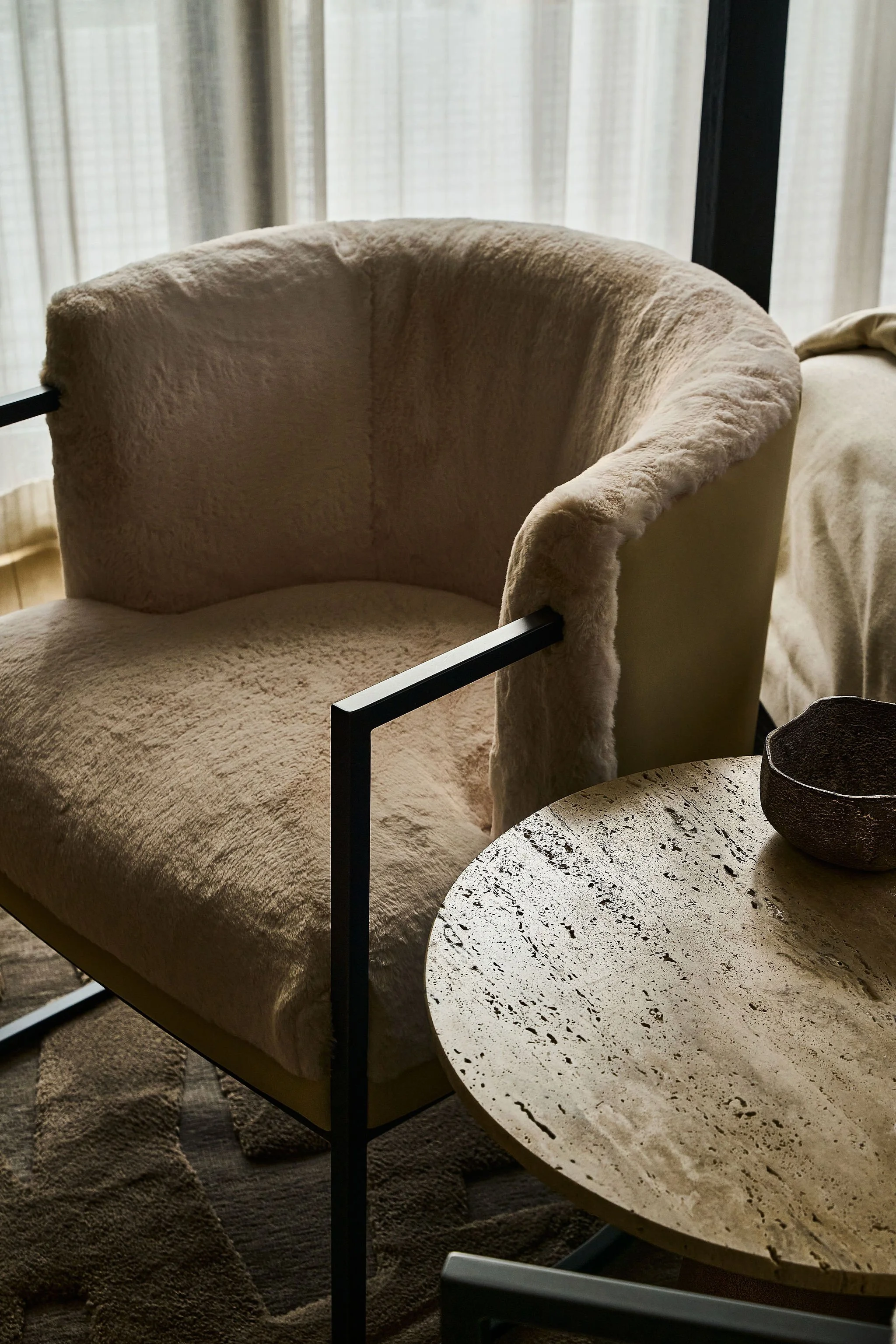
This is one of the hardest things to nail on your own, and honestly, one of the easiest ways for a space to feel “off” even when every individual piece is beautiful.
A rug that’s too small. Lighting that feels oversized. Furniture that technically fits, but doesn’t properly fill the room.
On paper, everything works. In real life, the balance just feels slightly wrong.
That’s why one of the very first things we do is space plan the home. Before we start layering in finishes and furnishings, we think through how the space will actually function and how everything relates to one another in scale and proportion.
The goal is for the home to feel balanced, grounded, and comfortable the first time around, not like a collection of pieces you’re constantly trying to fix later.
What to do About It
The good news? Most of these mistakes are completely avoidable.
The projects that feel the smoothest aren't necessarily the ones without surprises. They're the ones that start with a thoughtful plan, clear documentation, and a team that's collaborating when challenges arise.
This is the reason we spend so much time in the design phase. The goal isn't to make the process longer. It's to make construction smoother, decisions easier, and the final result more successful.
If you're planning a remodel, new build, or furnishings project and want a teammate to help guide the process, we'd love to help.
Thinking about a remodel? Download our free remodel guide here!
